

Presenting Reason
22 year old South Asian female, came into clinic today for an urgent review for sudden loss of vision in the left eye. There has been no history of trauma, headaches or transient vision loss. Upon further questioning, the patient attempted to do a hand stand, which is something they do not usually do and they noticed a sudden drop in vision after that. There is no complaints of shadows in visual field or flashing lights as well.
Medical History
- Nil Allergies
- Unremarkable medical history
- Unremarkable family history
- Current Medication: nil medications taken
Clinical Exam
- Vision c gls
R 6/4 (N5) L 6/60 (<N48) - Glasses Prescription
R -0.25DS / +0.75DC x 170
L -0.50DS / +0.50DC x 100 - IOP c Goldmann Applanation
R 15mmHg L 17mmHg - Nil RAPD
- Angles Open
- Cover test and ocular motility full
Clinical Tests
Macular scan
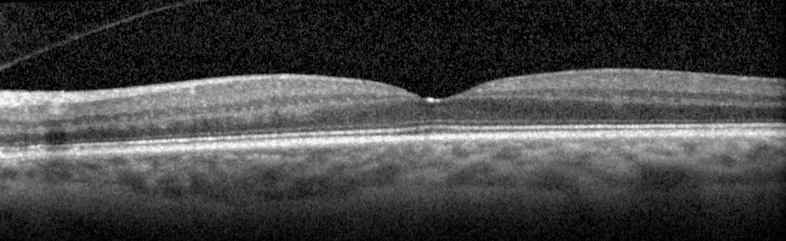
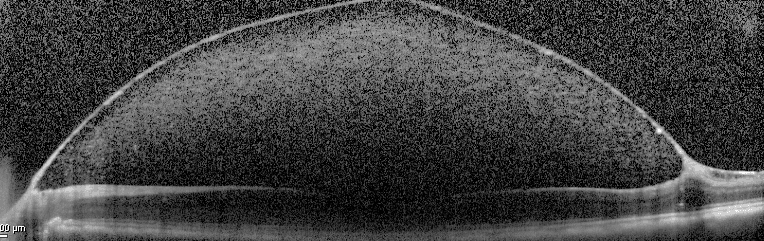
Fundus Autofluorescence
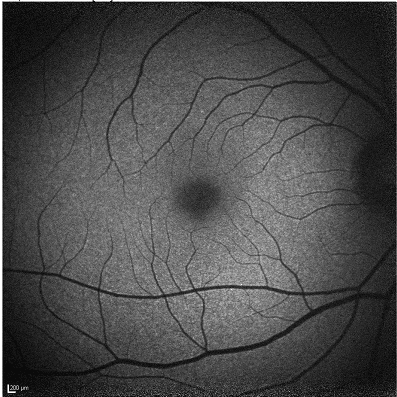
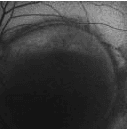
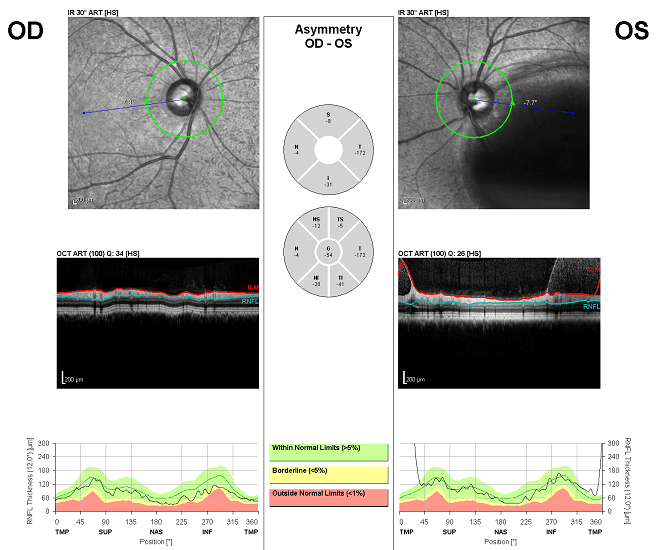
Optic Nerve (RFNL scan)
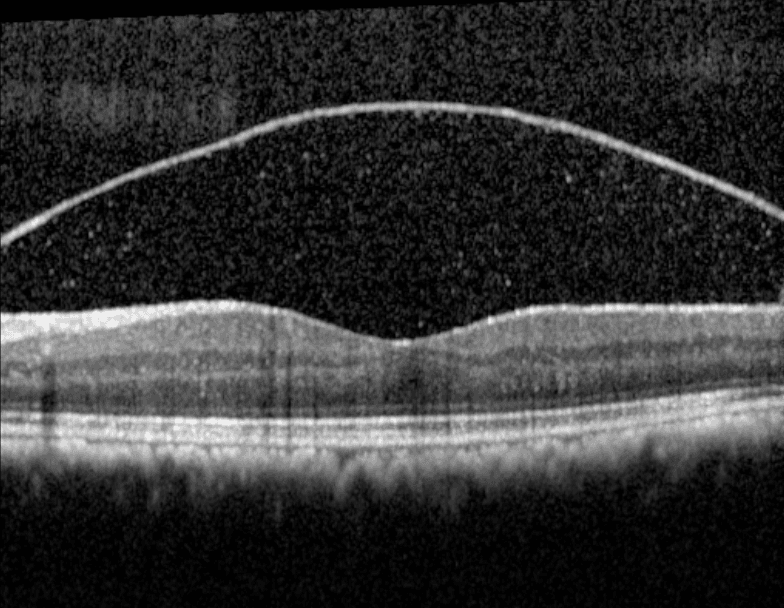
OCT mac scan L eye
After 2 months
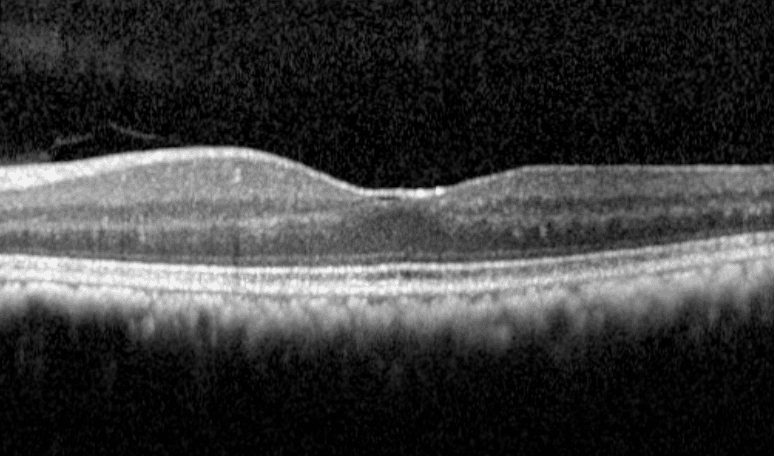
After 5 months
Diagnosis
Treating Ophthalmologist for this case: Dr Terence Tan
Valsalva Retinopathy
The pre-retinal, blister-like haemorrhage on the OCT macular scan alongside the sudden increase in intra-thoracic pressure from the patient doing a handstand were typical signs pointing towards the patient having valsalva pathology.
What is Valsalva Retinopathy?
Valsalva Retinopathy is a condition that is caused by the spontaneous rupturing of the superficial retinal capillaries when there is a sudden increase of intra-thoracic or intra-abdominal pressure. Activities which can cause valsalva retinopathy can include, but not limited to:
- intense coughing, episodes and vomiting,
- lifting heavy weights
- straining for a bowel movement
- sexual intercourse
Signs and Symptoms?
The primary sign is a sudden painless visual loss or scotoma after a doing an activity like that listed above. Often this is a unilateral condition, but it can occur bilaterally as well. Fundus examination can highlight a pre- retinal hemorrhage typically located in the pre-macular area, below the internal limiting membrane which can lift up to form an arc like membrane that settles down (as seen in the progression images of our case study), Fluorescein angiography can be used to rule out any neovascularization or active leaks as well.
Prognosis?
Management of this condition is often conservative as the recovery is often spontaneous within a few weeks to months. Recommending a cessation of anti-coagulants and strenuous activities is beneficial as well. If vision has not returned to normal after this time, a review with a vitreo-retinal specialist can be warranted to for possible surgical interventions. In our patient for this case the vision returned to 6/6 after 5 months of monitoring them.