

Presenting Reason
64 year old Caucasian female, came for a review as they were complaining of a reduction in the vision in their right eye over the past few weeks, which has been effecting her depth perception. There was no history of trauma, headaches, flashing lights or floaters. There was also no complaints of distortion or central scotomas as well.
Medical History
- Allergies: Sulfur
- High blood pressure, high cholesterol, hypothyroidism
- Smoker (30 years)
- Unremarkable family history
- Current Medication: crestor, thyroxine and atacand
Clinical Exam
- Vision c gls
R 6/4 (N5) L 6/60 (<N48) - Glasses Prescription
R -0.25DS / +0.75DC x 170
L -0.50DS / +0.50DC x 100 - IOP c Goldmann Applanation
R 15mmHg L 17mmHg - Nil RAPD
- Angles Open
- Cover test and ocular motility full
Clinical Tests
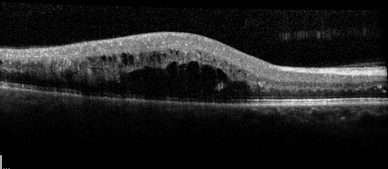
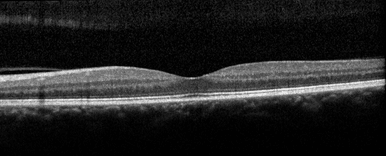
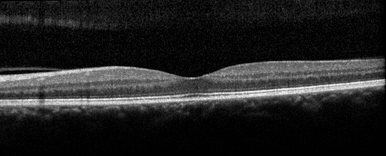
Macular scan
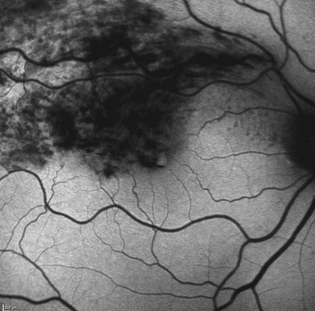
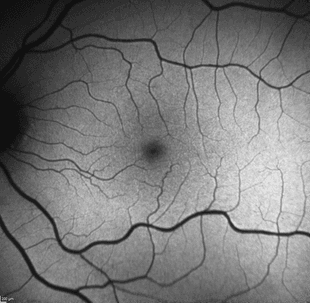
Fundus Autofluorescence
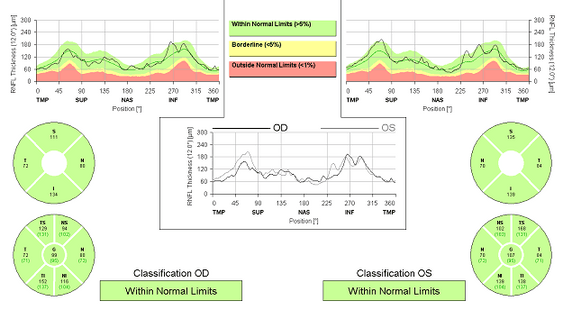
Optic Nerve (RFNL scan)
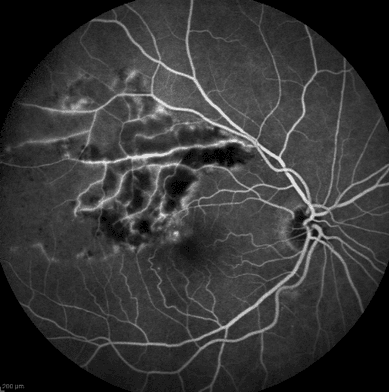
Fluorescein Angiogram (early stage in L eye)
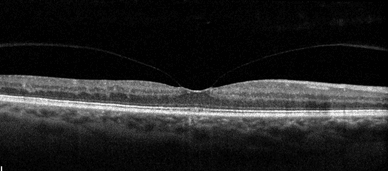
OCT mac scan (6 years after beginning treatment)
Diagnosis
Treating Ophthalmologist for this case: Dr Terence Tan
Branch Retinal Vein Occlusion
The visual complaints this patient had, alongside the imaging done on the OCT and through fluorescein angiography confirm that this patient suffered from a superior branch retinal vein occlusion (BRVO).
What is a Branch Retinal Vein Occlusion?
A BRVO occurs when there is a disruption in the circulation of blood through the affected branch vein causing blood to leak into the surrounding tissue due to ineffective drainage. This in turn causes fluid to extend into the macula leading to gradual loss of vision.
Signs and Symptoms?
When experiencing a BRVO, a person may notice gradual or sudden vision loss in one eye. Central vision may be blurred or absent, floaters or dark spots may obscure vision. A dark and growing scotoma in the upper or lower visual field may occur as well. BRVO can occur spontaneously, but common causes for them can include:
- blood clots
- high blood pressure
- high cholesterol
- uncontrolled diabetes
- glaucoma
- lifestyle factors like obesity and smoking
Prognosis?
The best management for this condition is management through anti-VEGF intra-vitreal injections given at regular intervals. In this current case study, the patient was immediately started on Eylea and 6 years later, they are on 3 monthly intervals and their vision has resolved from 6/18 to 6/6. Lifestyle changes like controlling blood pressure and blood sugar levels, ceasing smoking and switching to a healthy diet and losing weight helps as well.